Selecting the best sheen requires balancing durability with aesthetic goals by matching the paint's reflectivity to the specific function of each room. This interior paint finishes guide recommends using flat or matte options for low-traffic areas to hide imperfections, while durable semi-gloss or high-gloss finishes are ideal for high-moisture spaces like kitchens and bathrooms.
Selecting the perfect hue for your home often feels like the final hurdle, yet many homeowners discover that the wrong finish can compromise even the most sophisticated color palette. A beautiful navy might look elegant in a matte finish but appear jarringly reflective in a high gloss, while a flat paint in a busy hallway quickly becomes a maintenance nightmare. At Kvintus Custom Finishes, we understand that the technical properties of a sheen are just as vital as the pigment itself. The right choice ensures your walls remain resilient against Michigan humidity and daily wear while masking structural imperfections. This guide provides a comprehensive breakdown of the sheen hierarchy, offering practical room by room recommendations to help you navigate the tradeoff between durability and aesthetics. From cabinet refinements to basement protection, you will learn how to select a finish that elevates your space and endures for years.
Why Choosing the Right Paint Sheen Matters for Your Burton Home
Selecting the perfect color for your home is only half the battle. While the hue sets the mood, the finish dictates how that color interacts with your environment and how long it survives. In the industry, we define sheen as the measure of light reflectance. A paint with high sheen reflects a significant amount of light, while a low sheen or matte finish absorbs it.
The consequences of an incorrect selection are more than just aesthetic. For instance, a high-gloss finish applied to a large wall in a sun-drenched Davison living room will act like a spotlight on every minor drywall imperfection or patch job. In contrast, using a flat finish in a moisture-prone bathroom often leads to early paint failure, as the porous surface lacks the resin density needed to repel water and steam.
At Kvintus Custom Finishes, our approach to professional interior painting prioritizes functional durability alongside visual appeal. We believe a home should look as good five years from now as it does the day the tape is pulled. This interior paint finishes guide is designed to help you understand the technical side of your project, ensuring your investment in services like expert cabinet painting and refinishing provides both a stunning look and a resilient surface.
The Hierarchy of Sheen: From Flat to High Gloss
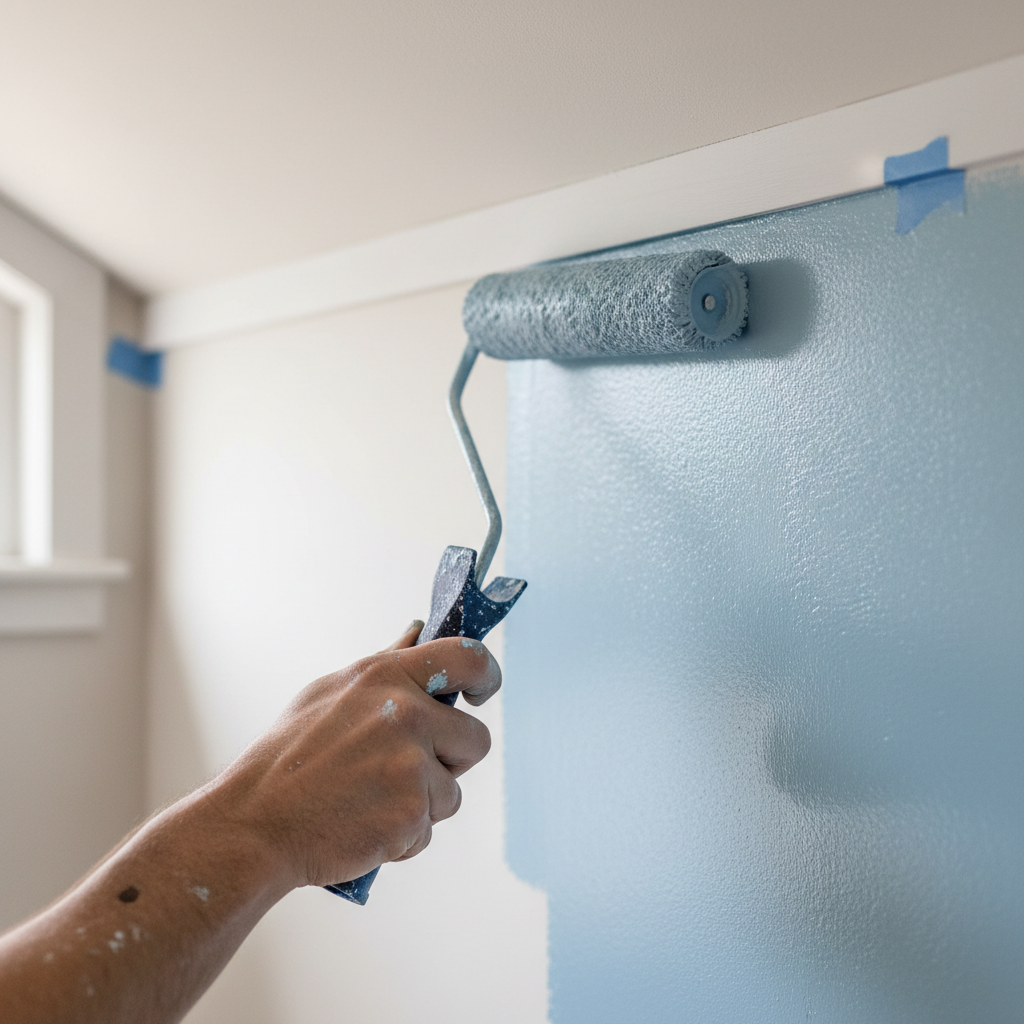
Achieving a resilient surface depends on understanding the technical composition of your paint. Every gallon of paint consists of a specific ratio of resin to pigment. Resin is the binder that creates a hard, non-porous film, while pigment provides the color. As the resin content increases, the paint becomes shinier, smoother, and more durable. This interior paint finishes guide helps break down how those ratios translate to performance on your walls and trim.
Flat and Matte finishes contain the highest ratio of pigment to resin. Because the resin content is low, the surface remains porous, which allows it to absorb light rather than reflect it. This makes flat paint the most forgiving choice for hiding surface imperfections like uneven drywall or old patch jobs. However, the lack of resin makes it susceptible to staining and harder to clean.
Eggshell sits just above flat in terms of resin content. It provides a soft, low-luster glow that offers a slight improvement in durability without becoming overtly shiny. It serves as a functional middle ground, offering a sophisticated look for rooms that see moderate activity but aren't subject to heavy moisture or frequent scrubbing.
Satin finishes increase the resin-to-pigment ratio further to create a velvety texture. This extra resin makes the paint film tougher and scrubbable, meaning you can wipe away a smudge without burnishing or removing the paint itself. It is a workhorse finish for active households.
Semi-Gloss is a high-resin finish that produces a visible shine. The dense resin barrier makes it highly resistant to moisture and stains, which is why it is a staple for professional interior painting in utility spaces. High-Gloss features the highest resin concentration available. This results in an ultra-durable, mirror-like finish that is nearly impervious to water, though it requires meticulous preparation to look its best.
Finish | Light Reflectance | Resin Content | Primary Benefit |
|---|---|---|---|
Flat/Matte | Lowest | Lowest | Hides wall defects |
Eggshell | Low | Low-Medium | Subtle, soft luster |
Satin | Medium | Medium-High | Scrubbable and velvety |
Semi-Gloss | High | High | Moisture resistant |
High-Gloss | Highest | Highest | Ultra-durable; mirror-like |
Understanding these levels is particularly vital for expert cabinet painting and refinishing, where the ratio of resin determines how well the surface will withstand daily contact and cleaning.
Room by Room Recommendations: Where to Use Each Finish
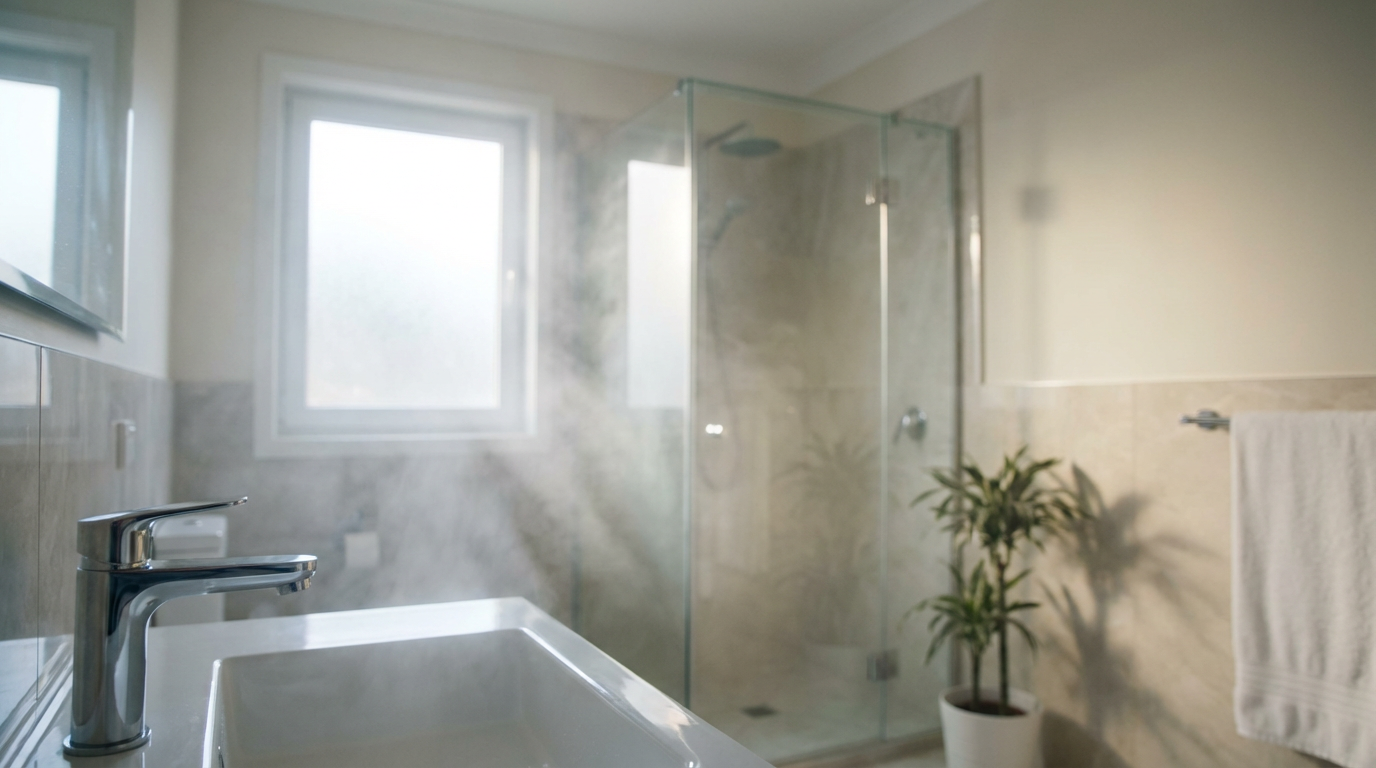
Choosing a sheen requires evaluating both the traffic patterns of your home and the specific lighting conditions of the Great Lakes region. For ceilings throughout a residence, a flat finish is the standard choice. It minimizes glare from overhead fixtures and conceals the minor structural variations common in older Burton homes. Similarly, adult bedrooms are ideal candidates for matte or flat finishes. These spaces typically experience low physical contact, allowing the sophisticated, non-reflective quality of the paint to provide a calm atmosphere.
In the high-traffic corridors and living areas of active Davison households, eggshell is the preferred recommendation. It offers enough durability to withstand the occasional scuff or fingerprint while maintaining a soft appearance that does not overwhelm the room with reflection. When transitioning into moisture-heavy environments like kitchens and bathrooms, the strategy shifts toward higher resin counts. Satin or semi-gloss finishes are essential here. The tight molecular bond of these finishes prevents steam from penetrating the drywall and allows for the frequent scrubbing required to remove grease or soap residue.
Light direction also plays a critical role in how these finishes perform in Michigan. North-facing rooms often receive a cool, weak light that can make spaces feel dim. Utilizing an eggshell finish in these rooms helps bounce available light, brightening the space without creating harsh hotspots. Conversely, south-facing rooms with large windows receive intense natural light. In these areas, a higher sheen can cause distracting glinting or flashing on the walls.
This interior paint finishes guide serves as a roadmap for professional interior painting projects, ensuring the selected sheen complements the room's utility. For homeowners planning a full kitchen update, aligning wall sheens with expert cabinet painting and refinishing is vital to create a cohesive, balanced look that handles the rigors of daily use.
The Durability vs. Imperfection Tradeoff
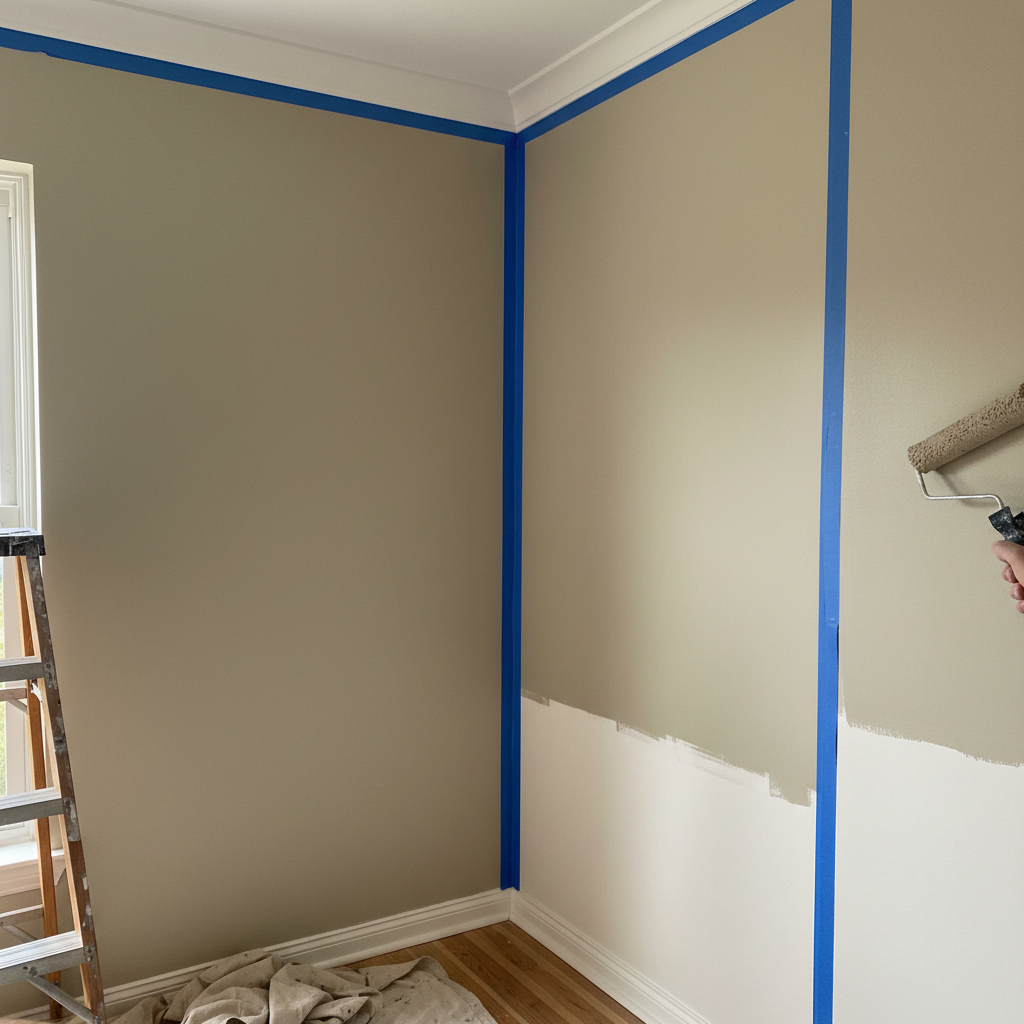
Every homeowner faces a fundamental decision when consulting an interior paint finishes guide: the balance between a surface that can be scrubbed and a surface that looks flawless. The industry standard dictates that as light reflectance increases, so does the visibility of the substrate beneath it. A high-gloss or semi-gloss finish acts as a magnifying glass for uneven drywall, poorly blended patches, or settled cracks. If the wall is not perfectly flat, a shiny finish will create highlights and shadows that emphasize every flaw.
Conversely, opting for a flat finish to hide a rough wall comes with a maintenance cost. Flat paint is porous; it traps oils and dirt, making it nearly impossible to clean without leaving behind a burnished or shiny spot where you rubbed. This tradeoff often leaves homeowners feeling stuck between a durable finish that looks messy or a beautiful finish that is easily ruined.
We resolve this conflict through meticulous surface preparation. Before any professional interior painting begins, we focus on the substrate. By executing a rigorous regimen of mechanical sanding, high-quality patching, and specialized priming, we create a level, non-porous base. This professional prep work allows homeowners to choose more durable, higher-sheen finishes even on older walls without the fear of highlighting structural imperfections. Proper preparation ensures that the final result reflects the color and light intended, not the history of the house.
Special Considerations for Cabinets and Trim

While prep work makes higher sheens possible on walls, those same high-resin finishes are often mandatory for woodwork. Choosing a different sheen for trim, baseboards, and crown molding is a fundamental rule in professional interior painting. This creates a necessary visual contrast, effectively framing your wall color and providing architectural definition. For most homes in the Burton area, we recommend a semi-gloss or high-gloss finish for trim. These surfaces are frequently subjected to physical contact, such as vacuum cleaner bumps or scuffs from shoes. A glossy finish creates a hard, slick barrier that allows you to wipe away dirt without damaging the paint film.
Cabinetry requires an even more specialized approach. Unlike a standard wall, kitchen and bathroom cabinets endure constant handling, exposure to moisture, and contact with cleaning agents. In our expert cabinet painting and refinishing process, we move away from standard wall paints in favor of coatings designed for high-traffic furniture. We typically utilize a high-durability satin or semi-gloss finish. This specific resin structure ensures that the surface can withstand the oils from fingertips and the heat from stovetops without softening or peeling over time.
Selecting these finishes as part of your interior paint finishes guide ensures your home remains functional. A satin finish on a cabinet door provides a sophisticated, velvety texture that hides minor micro-scratches while remaining entirely scrubbable. By treating woodwork and cabinetry as high-performance zones, you ensure that the most frequently used parts of your home remain resilient and easy to maintain year after year.
Handling Michigan Humidity: Finishes for Bathrooms and Basements
Michigan homeowners deal with significant environmental shifts, from the heavy summer humidity to the damp chill of a Genesee County spring. These external conditions directly impact interior air quality, particularly in moisture-prone zones like bathrooms and finished basements common in Burton and Davison. In these spaces, the porous nature of low-sheen paints becomes a liability. Flat or eggshell finishes can absorb airborne moisture, leading to surfactant leaching, bubbling, or the growth of mildew behind the paint film.
To combat these issues, professional interior painting in high-humidity areas relies on the resin-dense barrier of satin or semi-gloss finishes. The tighter molecular structure of these paints creates a non-porous seal that prevents water vapor from penetrating the substrate. For a basement renovation or a bathroom refresh, this moisture resistance is non-negotiable for long-term adhesion. Furthermore, many modern high-sheen products contain antimicrobial additives that work alongside the resin barrier to inhibit mold growth.
Following this interior paint finishes guide means prioritizing these resilient sheens for any room below grade or subject to regular steam. This technical choice ensures your walls remain stable and vibrant, even during the peak of a Michigan summer. Homeowners investing in expert cabinet painting and refinishing for basement bars or bathroom vanities should similarly insist on these high-performance finishes to protect the woodwork from moisture-induced swelling and finish failure.